
Corrosion Protection and Color
Aluminum is anodized primarily for two reasons: to increase corrosion resistance and to allow dyeing. When exposed to the atmosphere, aluminum forms a passive oxide layer which provides moderate protection against corrosion. In its pure form, aluminum self-passivates very effectively. However, aluminum alloys — especially the 6000 series, due to magnesium content — are much more prone to atmospheric corrosion and benefit significantly from a protective oxide layer.
During aluminum anodization, the aluminum oxide layer is made thicker by passing a direct current through an acid solution, with the aluminum object serving as the anode. The electrical current releases hydrogen at the cathode and oxygen at the surface of the aluminum anode, creating a build-up of aluminum oxide — essentially a ceramic coating with high hardness and high corrosion resistance.
Type II and Type III Processes
APT offers Type II and Type III aluminum anodizing processes, perfected over the past 15 years. The most common anodizing specification is MIL-A-8625, which defines three types of aluminum anodization: Type I chromic acid anodization, Type II sulphuric acid anodization, and Type III sulphuric acid hardcoat anodization.
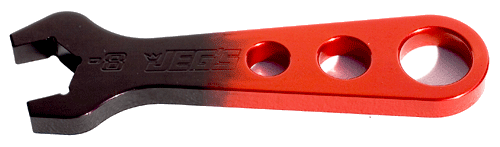
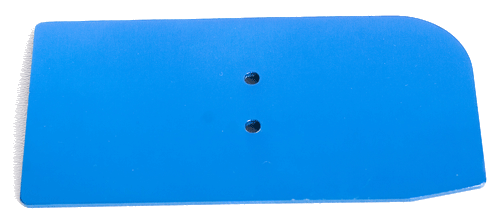
Type II anodizing (room temperature) creates an anodic layer of aluminum oxide 0.0002" to 0.001" thick — approximately half grown into the surface and half above it. By introducing dye into the anodization process, various colors can be obtained. APT’s stringent process controls yield consistent, brilliant colors from lot to lot.
Type III (hard coat) anodizing is performed at much colder temperatures and higher current densities, reaching thicknesses of 0.002" – 0.004". Type III anodized surfaces are commonly dyed black or dark green due to the denser pore size.
Cosmetic Appeal & Decorative Finishes
Industry Focus: Sport enthusiasts, custom automotive accessories, hobbyists — small runs or production volumes.
APT has developed process technology to turn an ordinary or utilitarian metal product, toy, or hobby item into a beautiful sight to behold. From CO₂, paintball, and air gun tanks to automotive accessories, contact APT with your requirements — from small custom runs to large production volume processing. Decorate and personalize your life with style.